
Contents
- 📋 Prerequisites & What You Need
- 🔧 Step 1: Choose the Right Shelf Support
- ⚙️ Step 2: Measure Your Wall
- 🎯 Step 3: Mark the Wall
- ✅ Step 4: Drill Pilot Holes
- 🚀 Step 5: Install the Shelf Support
- ⚠️ Common Mistakes & How to Avoid Them
- 💡 Pro Tips & Advanced Techniques
- Frequently Asked Questions
- References
- Related Topics
Overview
Hanging a shelf can seem like a daunting task, but with the right tools and a bit of planning, it's a DIY project that can be completed in under an hour. This guide will walk you through the process of choosing the right shelf support, measuring your wall, and installing your shelf. Whether you're a seasoned DIY enthusiast or a beginner, this guide will provide you with the confidence to hang a shelf like a pro. With the right techniques and materials, you can ensure your shelf is level, secure, and able to hold the weight you need it to. By following these steps, you'll be able to hang a shelf that is both functional and visually appealing, and you'll be able to do it in no time. The process involves selecting the appropriate shelf support, such as an L-shaped shelf support or a cabinet shelf support, and using the correct tools, like a drill and a level. Additionally, it's essential to consider the type of wall you have, whether it's drywall, plaster, or concrete, to determine the best approach for hanging your shelf. You can also consult online resources, such as YouTube or WikiHow, for additional guidance.
📋 Prerequisites & What You Need
Before you start, make sure you have all the necessary tools and materials, including a drill, level, stud finder, and wall anchors. The type of shelf support you choose will depend on the type of wall you have and the weight you plan to put on the shelf. For example, if you have a drywall wall, you may want to use a molly bolt or a toggle bolt. If you have a concrete wall, you may need to use a concrete anchor. You can find more information on the different types of shelf supports and their uses on websites like Home Depot or Lowe's.
🔧 Step 1: Choose the Right Shelf Support
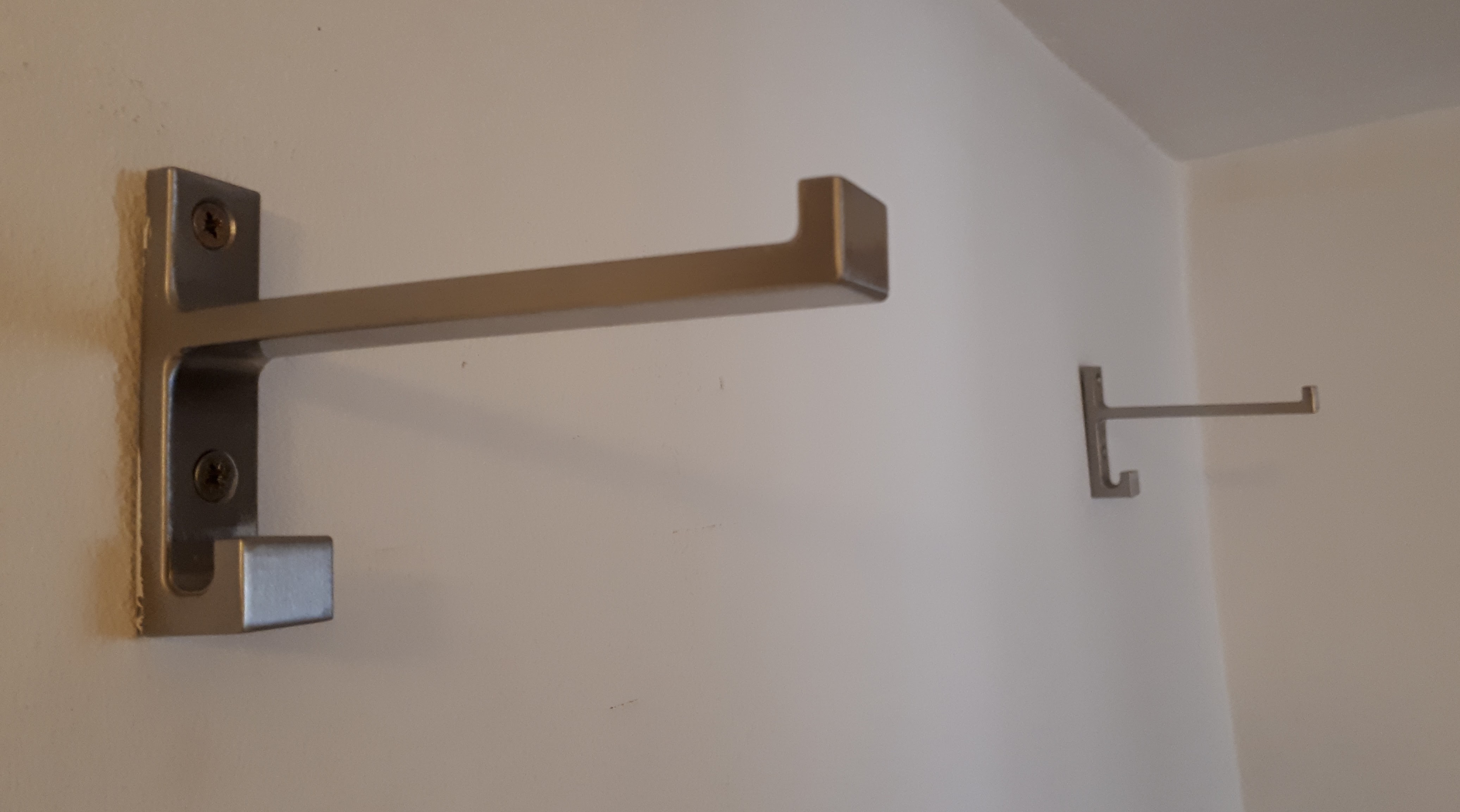
To choose the right shelf support, consider the weight you plan to put on the shelf and the type of wall you have. An L-shaped shelf support is a good option for most walls, but you may need to use a cabinet shelf support for heavier loads. You can find shelf supports at most hardware stores, such as Home Depot or Lowe's. Additionally, you can consult with a professional, such as a carpenter or a handyman, for more complex shelf installation projects.
⚙️ Step 2: Measure Your Wall
Measure your wall to determine the best location for your shelf. Use a level to ensure the shelf will be straight, and a stud finder to locate the wall studs. This will help you avoid drilling into pipes or electrical wires. You can also use a laser level to get a more accurate measurement. Make sure to check the wall type before marking, as different walls require different types of anchors. You can find more information on how to use a laser level on websites like YouTube.
🎯 Step 3: Mark the Wall
Mark the wall with a pencil where you want to install the shelf support. Use a level to ensure the mark is straight, and a ruler to measure the distance from the wall stud. Make sure to check the wall type before marking, as different walls require different types of anchors. You can also use a pencil mark to mark the spot where you want to drill the pilot hole.
✅ Step 4: Drill Pilot Holes
Drill pilot holes into the wall at the marked locations. Use a drill bit that is slightly smaller than the screw you will be using. If you're using a molly bolt or a toggle bolt, you'll need to drill a larger hole. Be careful not to drill too deeply, as this can cause damage to the wall. You can find more information on how to use a drill on websites like WikiHow.
🚀 Step 5: Install the Shelf Support
Install the shelf support by screwing it into the wall. Make sure it is level and secure before placing the shelf on it. If you're using a floating shelf, you may need to use a hidden bracket to attach it to the wall. You can also use a shelf pin or a shelf support peg for added support. Make sure to follow the manufacturer's instructions for the specific type of shelf support you are using.
⚠️ Common Mistakes & How to Avoid Them
Common mistakes to avoid when hanging a shelf include not using a level, not locating the wall studs, and not using the right type of shelf support for the weight you plan to put on the shelf. To avoid these mistakes, make sure to follow the instructions carefully and use the right tools for the job. You can also consult online resources, such as YouTube or WikiHow, for additional guidance. Additionally, you can read reviews from other customers who have used the same shelf support to get a better understanding of its performance.
💡 Pro Tips & Advanced Techniques
For advanced techniques, consider using a hidden bracket to attach the shelf to the wall, or using a decorative trim to cover the edges of the shelf. You can also use a wall decal to add a decorative touch to the wall. Additionally, you can consult with a professional, such as a carpenter or a handyman, for more complex shelf installation projects. You can find more information on advanced techniques for hanging a shelf on websites like YouTube or WikiHow.
Section 9
To ensure the best results, make sure to follow the instructions carefully and use the right tools for the job. You can also use a shelf liner to protect the shelf from scratches and spills. Additionally, you can use a decorative trim to cover the edges of the shelf and add a decorative touch to the wall.
Key Facts
- Year
- 2020
- Origin
- United States
- Category
- stylish-uniforms
- Type
- concept
- Format
- how-to
Frequently Asked Questions
What is the best type of shelf support to use?
The best type of shelf support to use will depend on the type of wall you have and the weight you plan to put on the shelf. An L-shaped shelf support is a good option for most walls, but you may need to use a cabinet shelf support for heavier loads. You can find shelf supports at most hardware stores, such as Home Depot or Lowe's.
How do I ensure the shelf is level?
To ensure the shelf is level, use a level to check the shelf before and after installation. You can also use a laser level to get a more accurate measurement. Make sure to check the wall type before marking, as different walls require different types of anchors.
What are some common mistakes to avoid when hanging a shelf?
Common mistakes to avoid when hanging a shelf include not using a level, not locating the wall studs, and not using the right type of shelf support for the weight you plan to put on the shelf. To avoid these mistakes, make sure to follow the instructions carefully and use the right tools for the job.